What if there was a missing piece in your life. Something you ignore. You know that we don’t know what we don’t know… This website aims to help you making better sense of the different aspects of your extra (or even ultra) sensitivity.
You are someone who
- perceives much more nuances than others;
- is very sensitive to light, smells, odors or sounds;
- is very emotional and empathic;
- are multifaceted, multi interested and complex;
- and you know that you think and learn fast and are smart but it has happened quite often that you felt rather dumb, (utterly stupid, ignorant, incapable …)
What if you could make better sense of the different aspects of your extra (or even ultra) sensitivity?

Why Sense and Sensitivity?
It’s quite simple. I bet that now and then you suffer from the side effects of your very strong sensitivity (sensorial, perceptive and emotional).
This should not be the end of the story however. I can grant you that once you get the essential points about how to use your Senses and your Sense smartly your Sensitivity could become a superpower.
The small shift(s) of perception will have a considerable impact on you, your personal happiness, effectiveness and enhance your relationships massively.
How do I know?
I learned about the concept of Highly Sensitive Person in my early thirties. What a relief! For some reason, I only read the groundbreaking book by Elaine Aron in 2015 (when I was 45) and … through it stumbled upon the concept of giftedness.
What I would like to share now, almost a decade later, with anyone who wants to hear it is the following:
If you are highly sensitive you absolutely need to learn how to respect your specific needs and advocate for them properly without creating dissonance or conflict.
If you don’t understand what Sensory Processing Sensitivity entails you’ll always run the risk of getting very (not too) easily stressed out, push your boundaries respectively not respecting them sufficiently, overworking and even burn out.
What if “too much” was “just right”
If you have been told in many variations that you are „too much“ (demanding, complicating everything, all over the place, pain staking, emotional, empathic, etc. etc.) and are curious to learn more, delving into the content of this website could lead to the discovery that you are a non detected Gifted Adult.
My conviction is that:
(1) you don’t necessarily need to know in much detail what this concept of “giftedness” (without consensus) exactly is about (and what not!!!).
(2) But also that you don’t have much to lose and could instead discover and win a lot if you do.
This website is for you if you
- are very competent and high achieving in some areas and full of doubts about your capabilities in others (the latter may not be visible to others);
- are somewhat analytical, brainy and rather curious;
- are creative and thinking out of the box (a lot)
- always ask why and want to get to the bottom of things
- have been told to slow down and stop (over)complicating things, and
- (on a humorous-yet-super-serious note) have wondered since you were little why (and how) on earth you landed on this planet – and how to make the best out of it.
„Gifted“ as I understand it today is simply ONE aspect of an individual – or in other words, the way you construct your identity beliefs into something more or less coherent.
Different does not mean better
Gifted people have different ways of functioning from the great majority of people. Different not better.
The concrete realitiy of a label like „giftedness“ presents itself in many different ways. And there are subgroups. I created this website for one subgroup, people I call „Curious Creatives“.
It’s important to „get“ what the concept means and what sense you want to make out of it. Once you have gone through this process – which may take a little while – the label „gifted“ becomes almost irrelevant.
Benefits of Understanding Your Difference
Understanding that and how you are „gifted“ or „eXtra intelligent“ or have a „Rainforest Mind“ will allow you to make big shifts.
You can Stop
- comparing yourself to others;
- wondering (secretly) what’s wrong with you;
- trying to apply what experts tell you is „the way that works“ (because it probably won’t for you);
- trying to „be normal“;
- caring what others might think;
- forcing yourself to blend in with the risk of loosing yourself in the process;
- turning down your brightness out of fear to scorch others.
You will Start to
- owning and applying your eXtra intelligence in an effective way;
- listen to and be in tune with (the needs of) your body and mind;
- finding other Rainforest Minds and stealth geeks like you;
- applying the shocking truth that you must learn to learn (because you never did);
- living out loud your various facets;
- understanding that and how you have to slow down and simplify if you want to get your message across so that most people around you can understand you;
- use your inclination for complexity and your drive to thrive;
In short, don’t you think it would be awesome if you could let go of prejudice around “giftedness” and find a key instead so that you can unlock what has been bridling you.
What if you could move forward while flourishing?!?
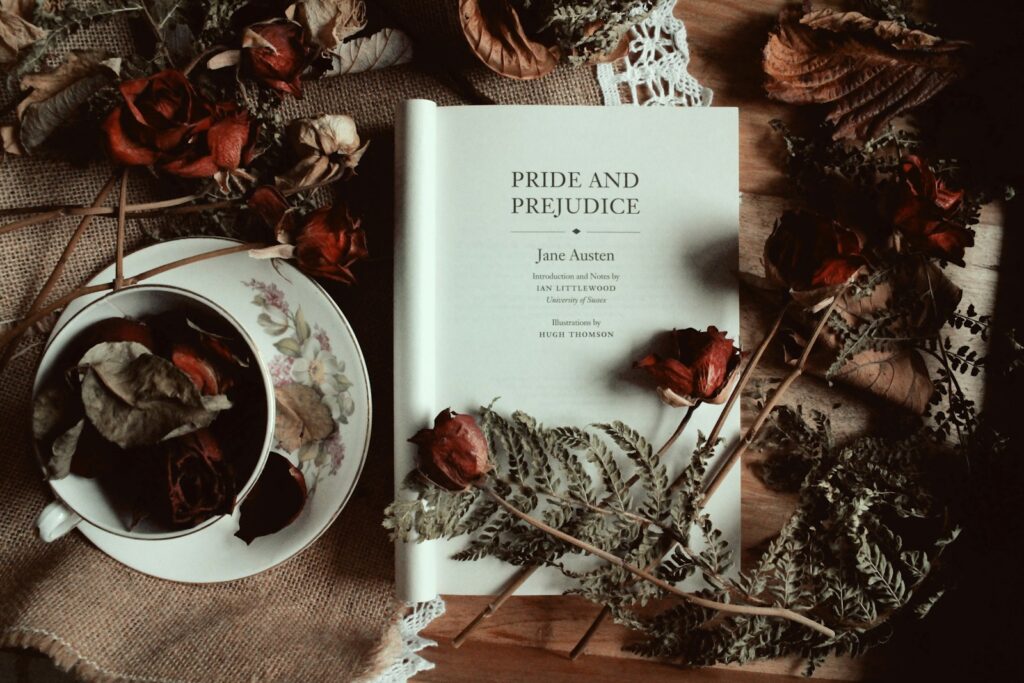
Jane Austen Love
Finally, you may have guessed that there is a deep respect and love of Jane Austen’s “genius” – a tricky concept! – and brilliance. Of course, Sense and Sensitivity is a Wordplay of Sense and Sensibility.
Curious Creatives like to play with words, sounds, meanings and sense.
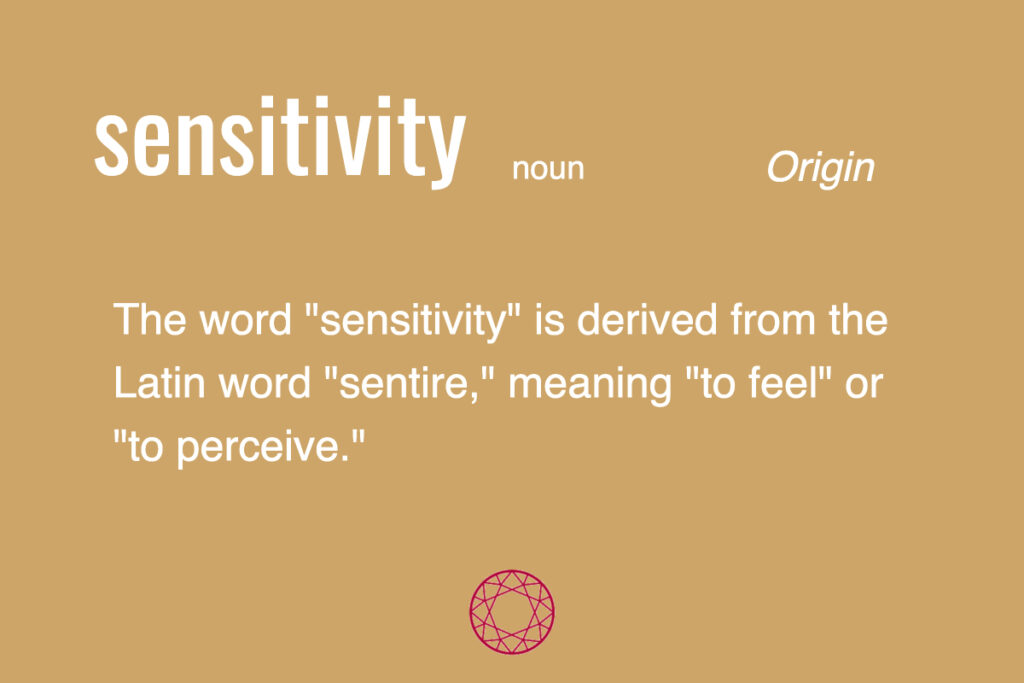
The word “sensitivity” first appeared in English in the 14th century, originally used in the medical sense of the ability to sense or respond to stimuli.
Over time, the word gradually expanded in meaning to include emotional and psychological sensitivity, as well as the vulnerability associated with such sensitivity … also known as “sensibility”.
Why it’s still worth reading Jane Austen’s prose
I admire Jane Austen and her skills, wit and in the way she invented a writing style now known as “free indirect discourse”. She was clearly “gifted” and in spite of very little formal education wrote six novels that have cult status all over the world and can teach us how to gain inner strength, clarity, stay true to ourselves and make the right choices.
Furthermore, she crafted fairy tales and plot lines of inner growth – of both heroines and heroes (Mr Darcy, Captain Wenthworth) – that are flawed and have lessons to learn until they find a partner who matches and “true love” (maybe not necessarily a happily ever after; the books end with the marriage… and what comes next is open).
Jane Austen initiated a way of realistically tuning into every day life and the psyche of people as well as a trope that have both become ubiquious (from enemy to lover in Pride and Prejudice).
She hid clues of a “mystery” (a genre that didn’t exist at the beginning of the 19th century) in full sight and let readers get into the head of the “unloveable” heroine while transcending gender and class stereotypes (Emma).
She took up concepts that were fashionable and controversial (sensibility) and criticized gender roles, stinginess as well as hypocrisy (Sense and Sensibility).
She poked fun at a genre (Gothic novels) while taking a stand for a new form of literature (novels) as well as for women writers (all three aspects in Northanger Abbey) to name a few things why I love Jane Austen and her work.
If you would like to stay up to date with new releases of posts around words, meanings, making sense of your sensitivity and finding meaning, love and joy aka flourishing sign up for my bi-weekly newsletter.


Leave a Reply